Nail Aftercare Posts Clients Actually Read
Quick answer: Make one aftercare post per topic instead of a single list of ten rules, show the problem rather than describing it, and put the posts in a pinned story highlight so clients can find them weeks later. Aftercare content earns saves and shares because it answers the questions clients are too embarrassed to ask in a DM.
A client messages on day nine. A corner has lifted, they have been picking at it, and they want to know if that is normal. You have answered this exact question maybe two hundred times, and you will answer it again tonight, one thumb-typed paragraph at a time.
Why bother making aftercare posts at all?
Because the alternative is answering the same six questions forever, in private, where nobody else benefits. Aftercare content cuts the messages you answer individually, reduces comebacks from clients who treated a set badly and assumed the product failed, and gets saved and shared.
There is a quieter benefit too. A client who understands why gel lifts blames the picking rather than the tech, and that difference shows up in reviews. The catch is that most aftercare posts are written for nobody: a tidy graphic listing ten rules in small text gets liked by other nail techs and read by no clients at all.
What should a nail aftercare post actually say?
One topic, and then stop.
The instinct is to cover everything in one post so it is all in one place, and that is exactly what makes it unreadable. Ten rules on one slide is a document. One rule with a reason and a picture is a post.
Every aftercare topic needs three parts: what to do, what happens if you do not, and how long it matters for. The second is the one most techs skip and the one that changes behaviour. "Wear gloves to clean" gets ignored. "Bleach and hot water get under the free edge and that is what lifts a gel edge by week two" gets remembered.
Write it the way you would say it at the desk. Your client does not know what an apex is and has no reason to.
The topics worth their own post
- The first 24 hours, when hot baths and heavy cleaning are the usual mistakes.
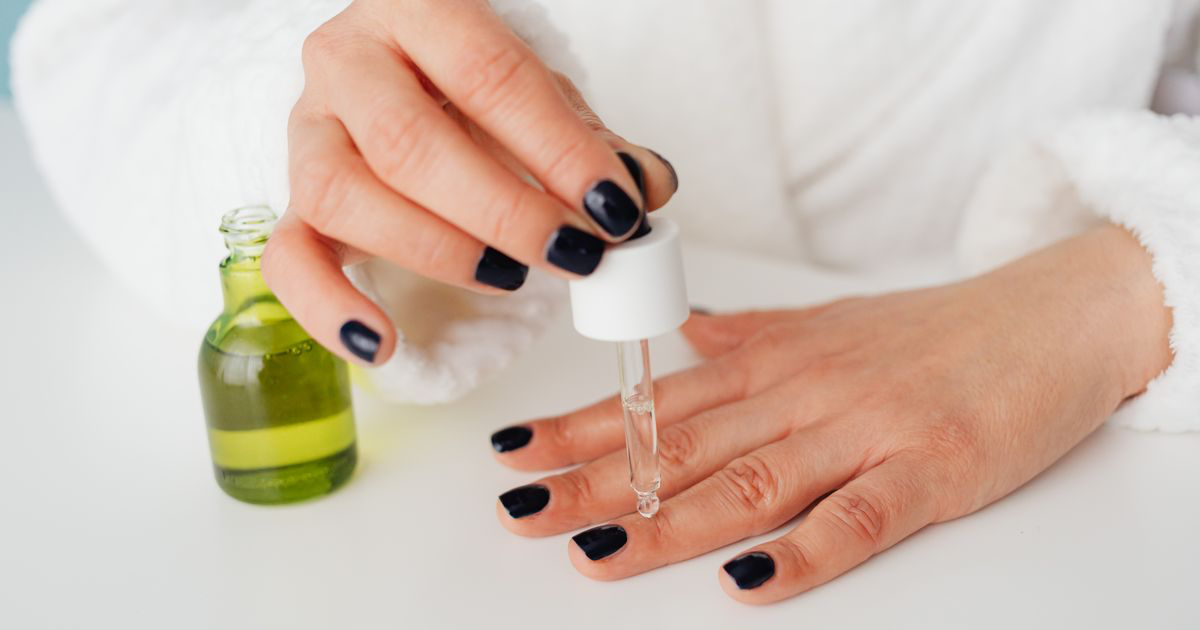
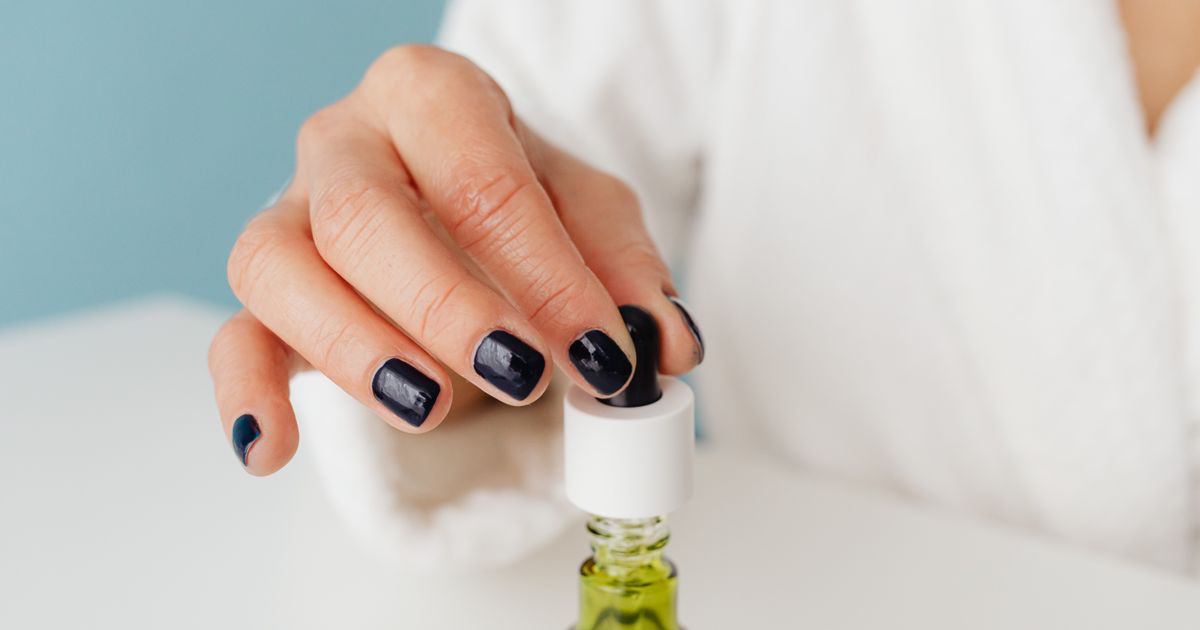
- Oil, daily, forever. The highest-value habit you can teach a client, and it deserves the best post you make.
- Never picking or peeling, shown as a photo of what peeling a gel off takes with it.
- Gloves for cleaning and washing up. Cheap, unglamorous, and the reason a lot of sets fail early.
- Nails are not tools. Car doors, staples and tin lids account for a good share of broken tips.
- When to come back, two to three weeks for most services, and what happens to the shape at five.
- What to do about a break: message you, do not file it themselves, no superglue.
That is seven posts, nearly two months of weekly aftercare content you never have to think about again.
Should aftercare be a reel or a carousel?
Both formats have a job, and they are not the same job.
A reel is better for anything with a visible consequence. Peeling gel is a reel, oiling technique is a reel, anything where the point is "look what this does" belongs in motion, because a still cannot show cause and effect.
A carousel is better for anything a client needs to return to: timelines, do-and-do-not pairs, the what-to-do-if-it-breaks post. Carousels also get saved more, and a save is what puts your post back in front of them at week two.
Whichever you use, the first frame has to name the problem in the client's words. "Why your gel is lifting" pulls in people who have lifting. "Aftercare tips" pulls in nobody. More on how far that first line carries in Instagram captions for nail techs.
How do you make aftercare content people actually save?
Show the failure rather than stating the rule.
A photo of a lifted edge with the natural nail damaged underneath teaches more in a second than a paragraph of instruction. So does a side-by-side of week three on a client who oils daily against one who does not, which is before and after nail photos pointed at aftercare.
Use your own work and your own clients, with permission. Stock graphics of perfect hands with a tick and a cross look like every other salon account, and clients read them as decoration.
Keep the on-screen text short enough to read while scrolling, and put a real caption underneath rather than a row of hashtags. The caption is where the reason goes, and the reason is what makes the rule stick.
Where should aftercare live besides the feed?
Everywhere the client already looks, because a post is buried within a day.
| Channel | Reach | Findable in week two | Best for |
|---|---|---|---|
| Told at the chair | One client | No, forgotten by the car | The one thing that matters most today |
| Printed card in the bag | One client | Yes, if they keep it | Removal and breakage instructions |
| Feed post | New and existing clients | Only if pinned or saved | Reach and saves |
| Story highlight | Anyone visiting your profile | Yes | The full set of aftercare topics |
| Booking confirmation | Every booked client | Yes, it is in their inbox | First-timers and the 24-hour rules |
The highlight is the one most techs are missing. One highlight called Aftercare, with your seven posts saved into it, turns a week of content into a permanent reference that answers DMs while you are with a client.
The booking confirmation is the sneakiest win. A line in the automated message about the first day costs nothing after setup and reaches one hundred percent of your bookings, which no post ever will.
How should you photograph aftercare content?
The same way you photograph the work, with one change: the damage has to be visible. That means getting closer than feels comfortable and lighting from the side, so a lifted edge casts a small shadow instead of blending into the plate. The rest carries over from how to photograph nails: indirect daylight, overheads off, phone at fingertip height.
Ask before you post a client's damaged nail, and crop so it is not identifiable if they would rather it was not. Most people say yes when you explain it will help somebody else. How to crop nail photos for Instagram covers keeping a tight crop readable once a ring or a tattoo has been cut out of it.
Leave the damage itself alone in the edit. Correcting the colour of the room is fine, but smoothing a lifted edge defeats the point of the post, since the whole job of the photo is to show what the thing you are warning about actually looks like.
A one-week aftercare content plan
- Write your seven topics down in the order clients ask about them.
- Photograph the damage version of the first two next time you see one, with permission.
- Post one a week as a reel if it shows cause and effect, a carousel if it needs re-reading.
- Save each one into a highlight called Aftercare as soon as it goes up.
- Add one line to your booking confirmation covering the first 24 hours.
Where NailTech fits in
Aftercare photos have a problem the pretty ones do not. You shoot them at the start of an appointment, before the removal, under whatever light happens to be on, with a client mid-conversation and slightly embarrassed about the state of their nails. That gives you a rushed file where the lifting is genuinely visible but the photo looks grim: warm bulb, red hands, a cluttered desk in the corner.
NailTech is a nail image editor that tidies the picture without touching the point of it.
- Correct the colour cast so a grown-out set looks like reality rather than jaundice.
- Even skin tone so a close-up of a damaged nail does not make the hand look sore.
- Clean the background on a shot taken with no time to set up.
- Crop tight so the lifted edge fills the frame and the point lands immediately.
NailTech is a nail image editor, so it will not write the caption or schedule the post. What it does is stop the aftercare half of your feed looking worse than the rest of it.
One photo of a peeled gel with the natural nail torn underneath, plus a sentence saying that is what picking costs, teaches more than a graphic listing ten aftercare rules in eight-point text.
Make your nail photos look salon-ready
Download NailTech and clean up the lighting, skin tone and background on every set you post, in a few taps.
Download on App StoreFrequently Asked Questions
What should a nail aftercare post include?
A nail aftercare post should cover one topic only, with three parts: what the client should do, what happens if they do not, and how long it matters for. The consequence is the part that changes behaviour, so a post explaining that hot water and bleach get under the free edge outperforms a post that simply says to wear gloves.
How often should nail techs post aftercare content?
Posting aftercare content roughly once a week works well, rotating through seven core topics such as the first 24 hours, daily oil, never picking, gloves for cleaning, nails as tools, when to rebook, and what to do about a break. Saving each post into a highlight keeps them findable afterwards.
Are aftercare posts good for reach on Instagram?
Aftercare posts tend to earn saves and shares, which carry more weight on Instagram than likes, because clients keep them to re-read and send them to friends with the same problem. Naming the client's actual symptom in the first frame, such as why gel is lifting, reaches more of the right people than a generic aftercare heading.
Should nail aftercare be a reel or a carousel?
Nail aftercare works as a reel when the point is cause and effect, such as showing what peeling a gel off takes with it. It works better as a carousel when the client needs to swipe back through the information later, such as a timeline or a what-to-do-if-it-breaks post. Carousels are saved more often.
Final Takeaways
- One topic per post. A list of ten rules is a document, not content.
- Always include the consequence, because the reason is what clients remember.
- Show the damage with a real photo, lit from the side so the lifting casts a shadow.
- Save everything into an Aftercare highlight so the work keeps answering DMs for you.
- Put the 24-hour rules in your booking confirmation, the only channel reaching everyone.
- Ask permission and crop kindly when the photo is a client's damaged nail.

Hannah
Hannah is a co-founder of NailTech, the nail image editor that turns quick phone shots into portfolio photos. She worked in the beauty industry before moving into mobile design, and now owns product and design on the app.