How to Become a Mobile Nail Tech
Quick answer: To become a mobile nail tech you need your qualification, mobile-specific public liability insurance, and confirmation from your local licensing body that home visits are permitted where you work. Then build a kit that fits in two bags, set a travel radius with a fee attached, and price for the appointment plus the travel time.
The appeal is obvious. No rent, no chair fee, no waiting for a salon to have a slot for you, and clients who love that you come to them.
The part nobody mentions is that the job stops being about nails for an hour a day. It becomes about parking, plug sockets, kitchen tables at the wrong height, and photographing a set in a room you have never seen before.
What do you actually need to start?
Three things before you take a booking, and one of them varies more than people expect.
The qualification is the obvious one: whatever the accredited route is where you live, plus current certification in anything you offer. Nothing about going mobile lowers that bar.
Insurance is where people get caught out. Standard salon public liability often will not cover you in a client's home, so check the wording specifically mentions mobile or peripatetic treatment. Add cover for your kit while it is in a vehicle, because equipment stolen from a car is a common and expensive gap.
Local permission is the one that varies. Some regions require a licence or registration for the practitioner, some for the premises, and a few restrict certain services outside a registered salon entirely. Rules also differ between countries, states and even local councils, and they change. Ask your licensing board or council directly rather than taking an answer from a forum, and get it in writing.
Do all three before you buy a single piece of kit, because the answer to the third one occasionally changes the plan.
What goes in a mobile nail kit?
Enough to work anywhere, packed so you can carry it in one trip.
Two bags is the target. A rolling case for the heavy items and a shoulder bag for products, so you can get up a flight of stairs without a second journey to the car.
The heavy list is short: a lamp, a portable dust collector, an e-file if you use one, and a rechargeable work light. Add a folding table only if you are willing to carry it, and many mobile techs decide within a month that they are not, and use the client's table instead with a folding armrest cushion.
The items techs forget are the ones that cost you an appointment. An extension lead with several sockets, because the only plug in a client's living room is always behind furniture. A towel and a disposable table covering, because you cannot rely on the surface being clean. A bin bag, since taking your own waste away is both professional and, in many places, required. Hand sanitiser and a spare pair of gloves in the bag, not in the car.
Weight is a real constraint. Everything you carry gets carried at every appointment, up stairs, in the rain, and a kit that is 20 percent lighter is a kit you will still be willing to lift in year three.
How should a mobile nail tech price and set a travel radius?
Price the appointment, then price the travel separately, and draw a hard radius on a map.
The mistake almost every new mobile tech makes is charging salon rates and absorbing the travel. A 90-minute set that involves 25 minutes of driving, 10 minutes of carrying and setting up, and 10 minutes of packing down is a 135-minute appointment. Charge for 90 and you have quietly given yourself a 33 percent pay cut for the privilege of not having rent.
The workable structure is a service price at or slightly above local salon rates, since you are delivering a premium convenience, plus a travel fee by zone. Two or three named zones with flat fees is easier to communicate than per-mile pricing, and it stops the negotiation. Set a maximum radius and hold it, because the client 40 minutes away who books once is worth less than the neighbourhood you could be filling with repeat business. The underlying maths on rates is in how to price nail services.
Set a minimum booking value too. A single removal at a client's house is a loss-making appointment once travel is counted, and a stated minimum solves it politely before it is ever booked.
How do you stay safe on home visits?
With a routine you follow every time, not just when something feels off.
Take a deposit, which filters out almost all bad-faith bookings on its own. Share your schedule and the address with someone, and set a check-in time. Confirm the booking by phone before a first visit with a new client, because a short conversation tells you more than a message thread. Keep your phone charged and in your pocket rather than in the bag. And treat your own judgement as sufficient reason to leave, with no explanation owed.
| Setup | Overheads | Control of the space | Travel time per client | Best for |
|---|---|---|---|---|
| Mobile, client's home | Insurance, fuel, kit | None, different every time | 20 to 40 minutes | Building a client base with no capital |
| Home studio | Low, plus setup costs | Total | None | Techs with a suitable spare room |
| Booth rental in a salon | Weekly or monthly rent | Partial | Commute once a day | Techs who want walk-ins and colleagues |
| Own salon | High and fixed | Total | Commute once a day | Established books, multiple staff |
Mobile is the cheapest to start and the most expensive per hour to run, which is the trade at the centre of the whole decision. Plenty of techs use it as a route to a home studio once the client list justifies it.
What is the hardest part of mobile nail work?
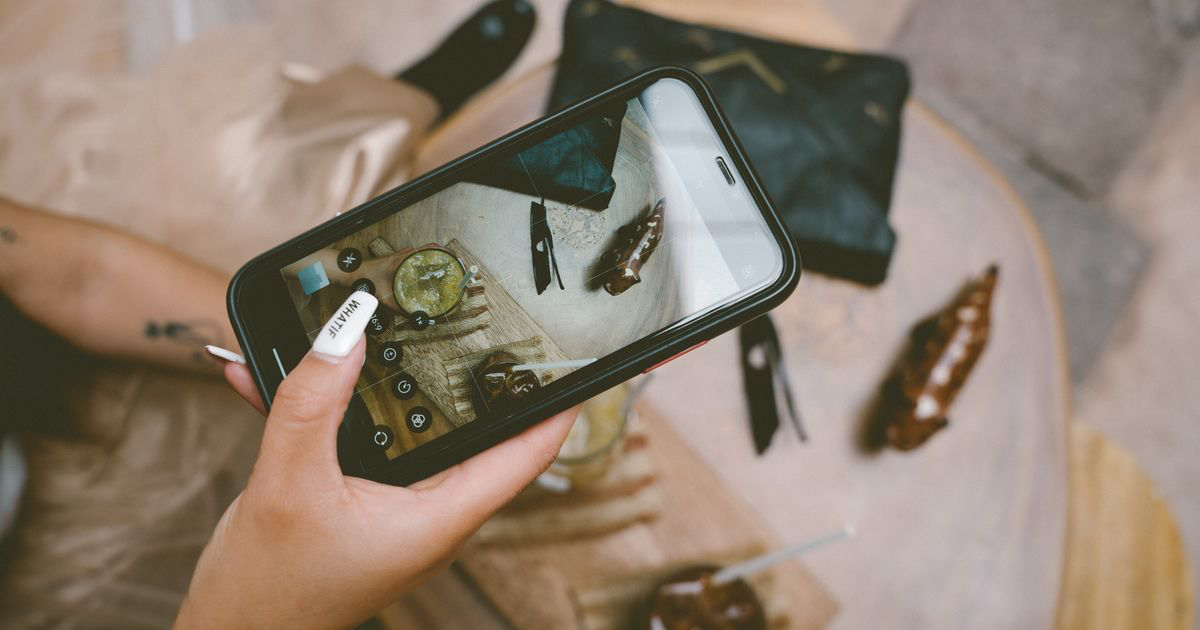
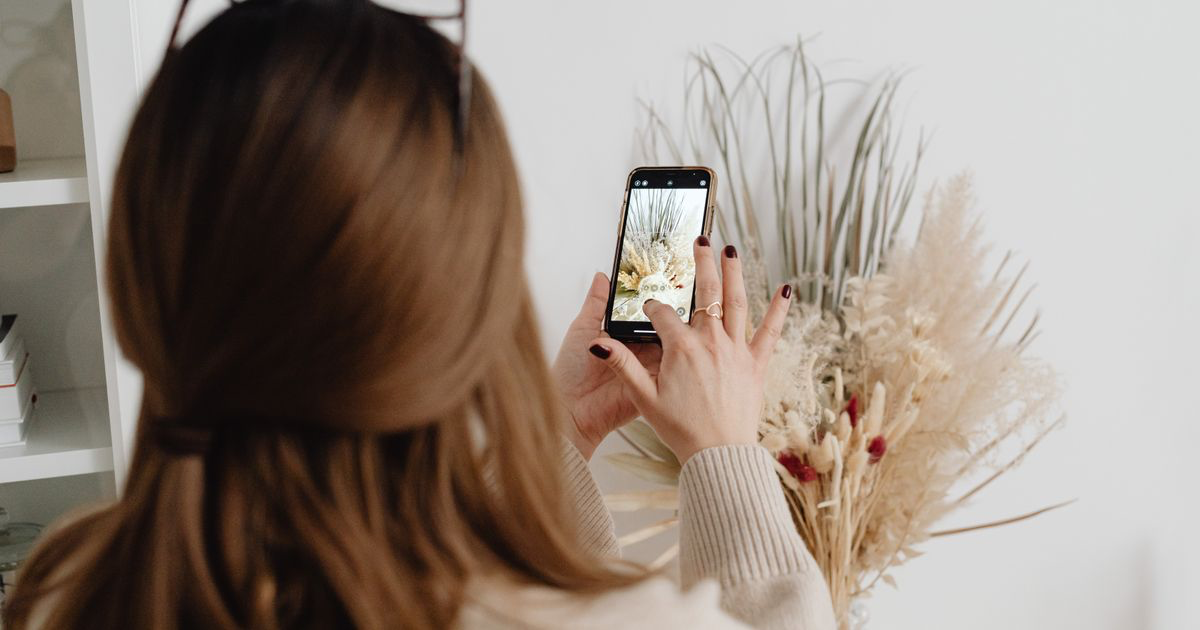
Photographing the results, which nobody warns you about.
In a salon you shoot every set in the same corner under the same light, and the files come out matched. Mobile means a new room every appointment: a north-facing kitchen at 4pm, a living room with warm downlights and a television glowing behind the hand, a dining table under a fitting with three different bulbs in it. Every set arrives at your feed with a different cast and a different brightness, and a grid built from that never quite looks like one business.
Two habits contain it. Carry a piece of A3 white or grey card in the bag and use it as your background every time, so at least the surface behind the nails is constant. And find the window in whatever room you are in, ask if you can move to it for two minutes at the end, and shoot there with the room lights off. Nine clients in ten are happy to. When there is no usable window, the fixes in how to take nail photos in a dark salon apply just as well to a dim front room.
Neither habit gets you a matched grid on its own, because nine rooms are still nine colours of light. The step that does is correcting each set to the same neutral point afterwards, and for a mobile tech it matters more than for anyone working in one place: editing nail photos to one baseline covers it.
A first-month plan
- Confirm licensing and insurance in writing before you buy equipment or take a booking.
- Build the kit to two bags and do a full carry test up a flight of stairs before you commit to it.
- Draw your radius on a map, name two or three travel zones, and publish the fees.
- Set a minimum booking value so a single removal never becomes a 90-minute round trip.
- Pack a photo kit, meaning one piece of A3 card and a habit of finding the window before you pack down.
Where NailTech fits in
A mobile round produces the most inconsistent set of photos in the whole industry, because the lighting changes with the postcode. Monday is a bright conservatory, Tuesday is a kitchen under a single warm bulb, and the same nude gel photographs as two different shades in a week. Clients scrolling your feed cannot tell that the variation came from someone's ceiling fitting; they read it as your work being uneven.
The correction is the same on every one of those files, which is what makes it worth batching at the end of a day rather than fighting at each appointment.
NailTech is a nail image editor that takes a day of mismatched rooms back to one look.
- Pull the cast out of each room so a nude reads as the same nude on Monday and Tuesday.
- Even out skin tone across clients photographed under wildly different bulbs.
- Lift dim living-room shots without dragging up the noise with them.
- Remove the sofa, the television and the fruit bowl from behind the hand.
NailTech is a phone editor for nail photos, so the diary, the deposits and the travel zones stay in whatever booking system you use. The part it removes is the evening spent trying to make five houses look like one studio.
A 90-minute mobile set with 25 minutes of driving and 20 minutes of setup and packdown is a 135-minute appointment, and charging salon rates for it is a pay cut you gave yourself.
Make your nail photos look salon-ready
Download NailTech and clean up the lighting, skin tone and background on every set you post, in a few taps.
Download on App StoreFrequently Asked Questions
What qualifications do you need to be a mobile nail tech?
A mobile nail tech needs the same accredited qualification as a salon-based tech, plus public liability insurance whose wording specifically covers mobile or in-home treatment. Licensing requirements for working outside a registered premises vary by country, state and council, so confirm the rules with your local board in writing.
How much should a mobile nail tech charge for travel?
Charge travel as a separate flat fee by zone rather than absorbing it into the service price. Two or three named zones with fixed fees is simpler to explain than per-mile pricing, and a stated minimum booking value stops a short appointment turning into a loss-making round trip.
What do you need in a mobile nail kit?
A mobile nail kit needs a lamp, a portable dust collector, an e-file if you use one, products, and a rechargeable work light, packed into two bags you can carry in one trip. The commonly forgotten items are an extension lead, a disposable table covering, a towel and a waste bag.
Is being a mobile nail tech worth it?
Mobile nail work is worth it for techs building a client base without capital, since it removes rent entirely. The trade is travel time, which can add 40 minutes to every appointment, and no control over lighting or table height. Many techs use it as a route to a home studio.
How do mobile nail techs stay safe on home visits?
Mobile nail techs stay safe by taking a deposit, which filters out most bad-faith bookings, confirming a first appointment by phone, sharing the address and schedule with someone alongside a check-in time, and keeping a charged phone in a pocket rather than in the kit bag.
Final Takeaways
- Confirm the local rules in writing before anything else, because they vary and they change.
- Check the insurance wording says mobile, not just public liability.
- Two bags, one trip. A kit you dread carrying is a kit that limits your diary.
- Charge for travel separately and set a minimum booking value.
- Hold your radius. A dense neighbourhood beats a wide one.
- Carry a piece of card and find the window, or your feed will drift room by room.

Hannah
Hannah is a co-founder of NailTech, the nail image editor that turns quick phone shots into portfolio photos. She worked in the beauty industry before moving into mobile design, and now owns product and design on the app.